
Eagan Concrete Pros
555-555-5555
Concrete Contractor in Eagan MN

Building durable flatwork involves more than placing fresh material into forms. The underlying soil, compacted base, drainage direction, joint layout, and curing process all influence how a finished surface performs. With winter temperatures regularly dropping below freezing and snowmelt returning in spring, these details deserve attention before construction begins. A driveway near Pilot Knob Road may have different drainage and access requirements than a backyard patio near Thomas Lake. Understanding those differences helps property owners choose an appropriate project design.
Who this is for: This guide is for homeowners considering driveway replacement, families planning outdoor living spaces, property managers addressing damaged pavement, and business owners comparing local contractors. It explains installation methods, available finishes, budgeting considerations, and what to review before committing to a project.
Not for: Property owners facing major foundation movement, unstable retaining walls, or severe underground drainage failures. These conditions may require engineering evaluation or specialized repairs before ordinary flatwork construction can proceed.
What We Offer
We provide concrete installation, repair, and decorative finishing services for residential and commercial properties. From welcoming backyard gathering areas to functional vehicle entrances, we consider drainage, site conditions, and intended use to help you plan improvements that fit your property.
Concrete Driveway
A well-planned driveway creates a welcoming entrance while accommodating daily vehicle traffic. We consider grading, drainage, reinforcement, and Minnesota's freeze-thaw cycles when discussing installation. Our goal is to help you achieve a functional surface that complements your home's exterior.
Concrete Patio
Enjoy more time outdoors with a patio designed around your favorite activities. We help you explore layouts for dining, relaxing, and entertaining while considering yard dimensions, drainage, and accessibility. Our approach brings practical planning together with inviting outdoor design.
Concrete Repair
Cracks, uneven sections, and surface deterioration can affect both appearance and usability. We assess visible damage and discuss suitable repair options based on underlying conditions. Our recommendations consider whether targeted restoration is practical or a more extensive improvement is needed.
Stamped Concrete
Add personality to walkways, patios, and outdoor gathering spaces with decorative stamped finishes. We offer pattern and color possibilities inspired by stone, brick, and other textures. We also discuss surface maintenance and traction considerations for Minnesota's changing seasonal conditions.
Concrete Contractors Near Me
WWhether you're imagining a backyard retreat, replacing a worn driveway, or exploring decorative finishes, we're ready to discuss your plans. Our concrete services help property owners make informed choices about materials, layouts, and construction requirements. We understand that every project comes with different goals and site conditions. Contact us today to share your ideas and explore improvements that bring lasting function and visual appeal to your property.

Why Eagan's Freeze-Thaw Conditions Demand Proper Concrete Construction
Winter weather places considerable stress on exterior pavement throughout Dakota County. The problem is not simply that Minnesota gets cold. It is the repeated movement of moisture, fluctuating temperatures, and exposure to winter maintenance materials that can gradually affect a poorly constructed surface.
Several factors deserve attention when planning outdoor improvements:
- Freeze-thaw exposure: Exterior slabs need materials appropriate for Minnesota's climate. Air-entrained concrete incorporates microscopic air pockets that help accommodate pressure created when absorbed moisture freezes.
- Compacted subbase: A stable foundation beneath the slab helps distribute loads and limit settlement. Inadequate compaction can contribute to uneven movement, particularly where underlying soils retain moisture.
- Snowmelt drainage: Water needs an appropriate route away from buildings and paved areas. Poor grading can leave standing water near garage doors, foundations, and walkway edges.
- Deicing chemicals: Salt and other winter treatments can contribute to surface scaling, especially when new pavement has not developed adequate durability or receives excessive chemical exposure.
- Expansion and contraction: Seasonal temperature changes affect slab dimensions. Proper joint placement helps manage movement and encourages shrinkage cracking to occur in planned locations.
- Snow removal equipment: Repeated plowing and shoveling may damage raised joints, weak edges, or deteriorated surfaces. Finished
In that situation, the project should begin with evaluating elevations and water flow rather than simply reproducing the existing surface. The long-term performance of exterior concrete depends on the complete installation, not just the appearance of the finished top layer. A contractor who understands local weather conditions should be able to explain how the proposed base, mixture, reinforcement, joints, and curing procedures work together.
The Concrete Installation Process, Step by Step
A successful project begins before the first truck arrives. Whether the work involves a driveway, patio, or new outdoor slab, each construction stage influences what happens after the surface is placed into service. Preparation is particularly important because mistakes beneath the finished pavement can be difficult to correct without extensive removal.
Here is how a typical installation progresses:
- Property evaluation and planning: We begin by reviewing the intended use, measuring the work area, and evaluating accessible site conditions. Existing pavement damage, nearby structures, access restrictions, and drainage patterns help determine the project requirements.
- Permit and zoning review: Applicable approvals should be identified before construction. Eagan requires zoning permits for driveway replacements or expansions, patios, and certain sidewalk improvements. Work involving curbs, public property, or other regulated areas may require additional authorization.
- Removal and excavation: Existing pavement is removed when replacement is necessary. The excavation depth is determined by the design, anticipated loads, subbase conditions, and required slab thickness. Unsuitable material may need removal before construction continues.
- Subbase preparation: Approved granular material is placed and compacted to establish a stable supporting layer. Proper preparation reduces the likelihood of localized settlement and helps the installation handle expected loading conditions.
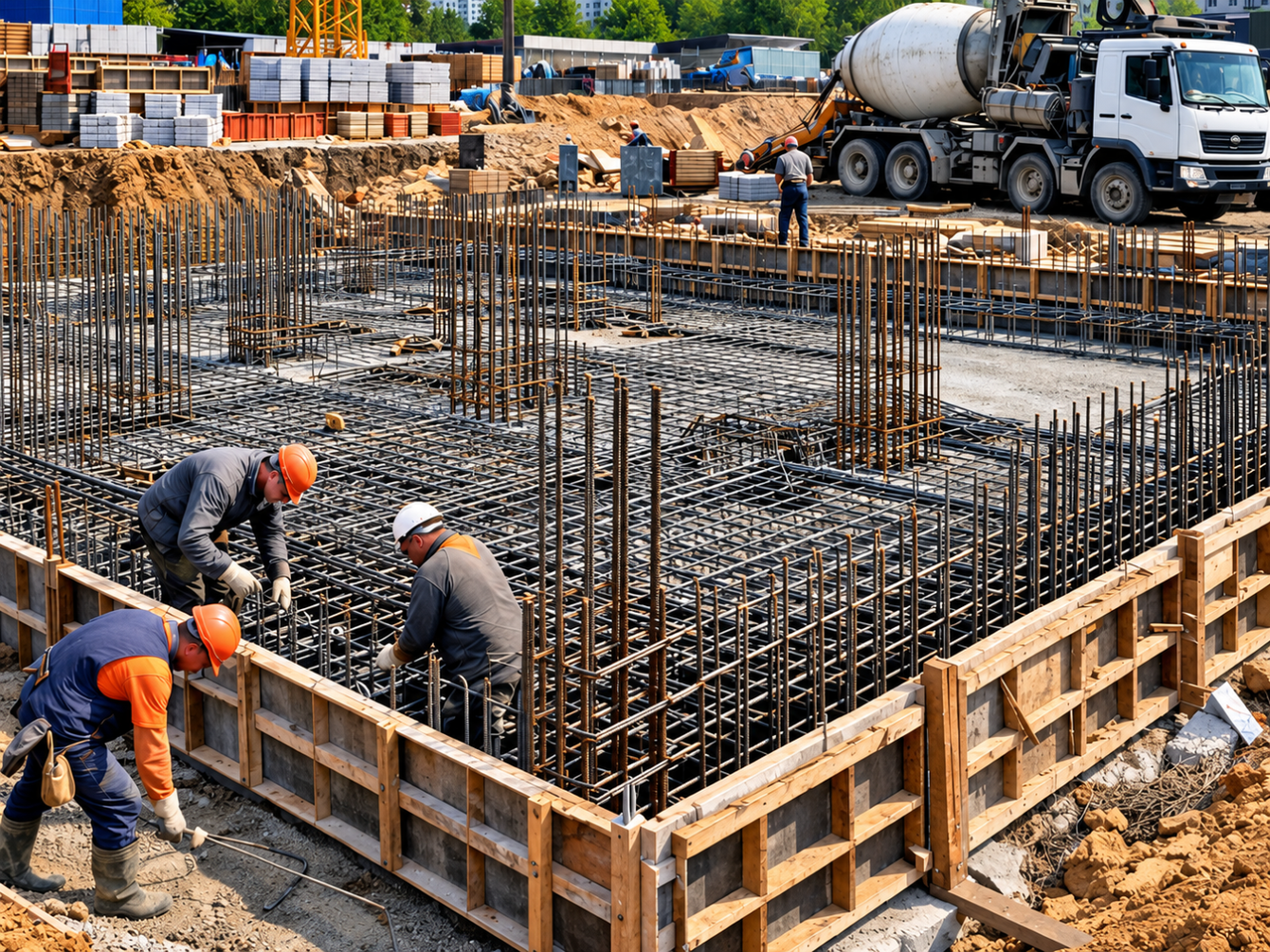
- Formwork and reinforcement: Forms establish the dimensions, grade, and finished edges. Reinforcement, when specified, is positioned appropriately rather than left resting on the ground. Joint locations are also planned before placement.
- Concrete placement and finishing: The selected ready-mix material is placed, consolidated, leveled, and finished according to the project specifications. Broom textures, decorative treatments, or other finishes are completed at the appropriate stage.
- Joint installation and curing: Control joints are formed or saw-cut at the correct time to manage shrinkage cracking. The newly placed slab is protected and cured under conditions appropriate for the material and weather.
- Final inspection and site cleanup: The work area is reviewed, temporary forms and construction debris are removed, and the property owner receives instructions about access, maintenance, and when normal use may resume.
One of the biggest differences between professional workmanship and rushed installation is how much attention is given to the base. A slab may look excellent immediately after finishing while concealing poorly compacted soil below it. If that material settles unevenly, cracks and elevation differences may eventually become visible. Another important consideration is joint placement. Concrete naturally shrinks as it hardens, and temperature changes can create additional movement.
Concrete Driveway
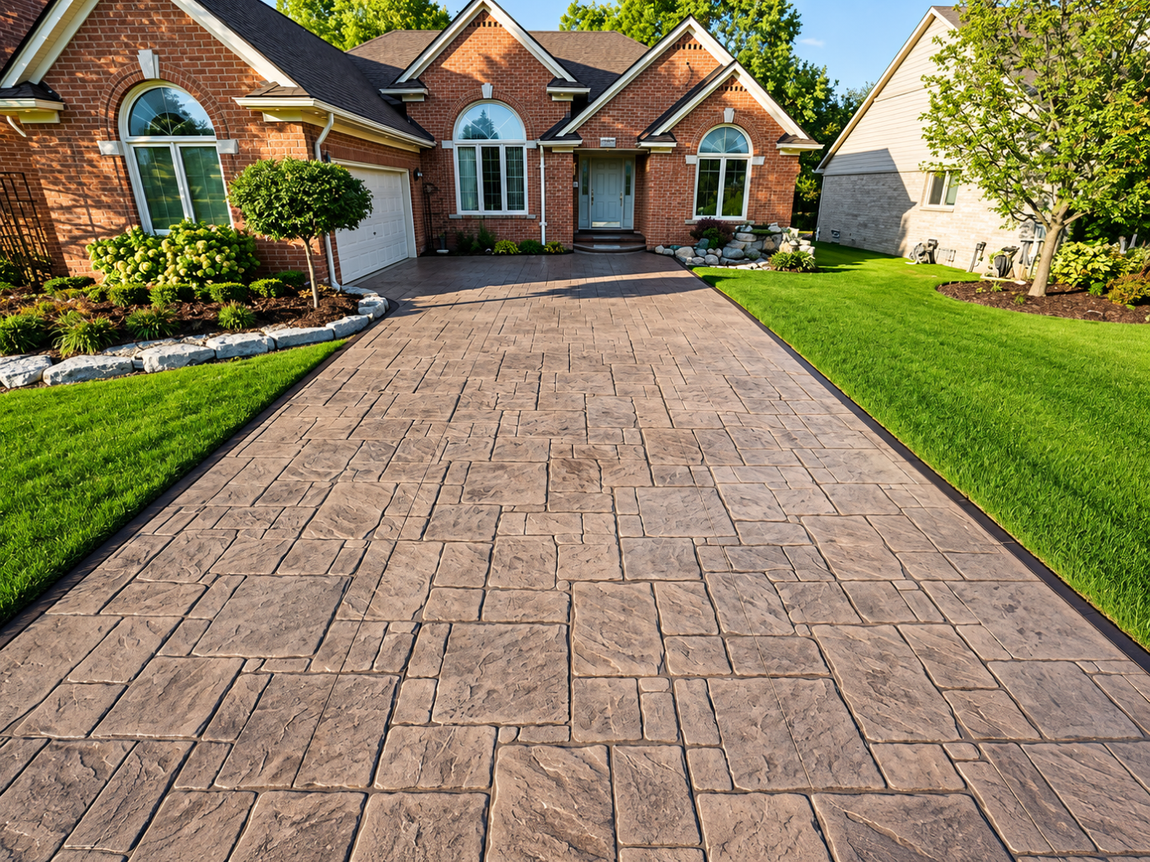
Our concrete driveway services help homeowners create durable, attractive entrances that complement their properties. We provide new installations and driveway replacements, considering proper grading, drainage, reinforcement, and surface finishing. Minnesota's freezing winters, snow removal activities, and seasonal temperature changes make thoughtful construction especially important. We discuss layout options, vehicle access, and site conditions to help you choose a suitable design. Whether you're replacing an aging driveway or completing a newly built home, we focus on practical solutions that improve everyday convenience, enhance curb appeal, and provide a reliable surface for parking and vehicle movement throughout the year.
Concrete Patio
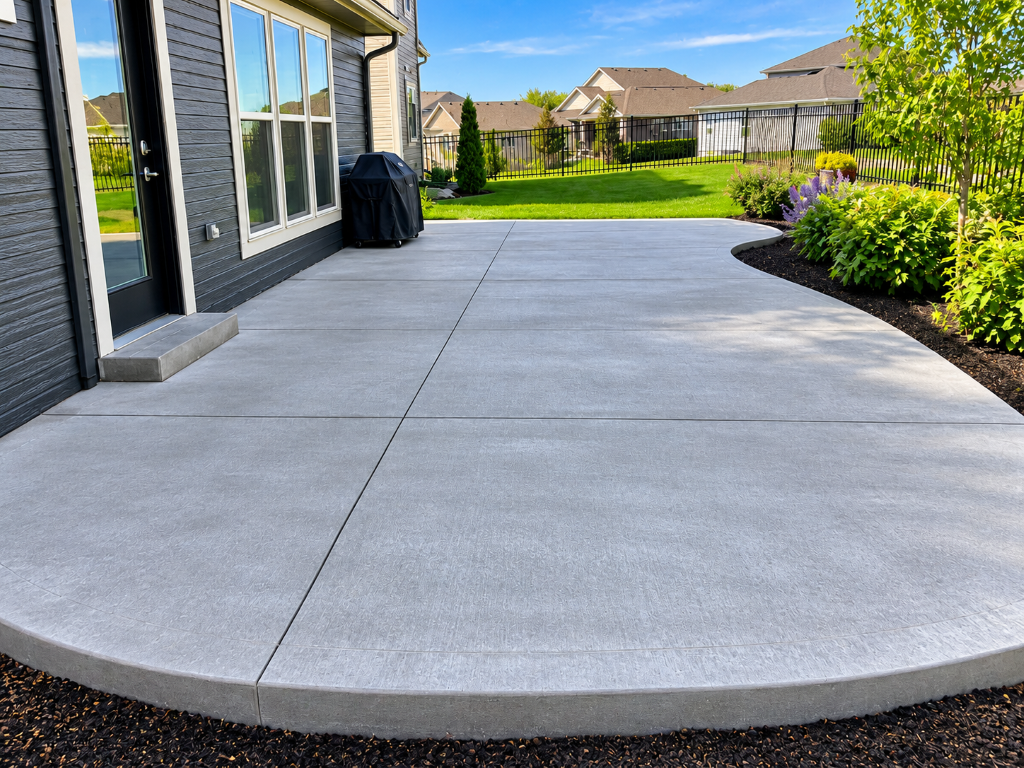
Our concrete patio services help homeowners create inviting outdoor spaces for relaxing, entertaining, and spending time with family. We design and install patios that complement your home's architecture, backyard layout, and everyday activities. Whether you prefer a traditional finish or decorative textures, we help you explore suitable shapes, sizes, and design options. We also consider proper grading, drainage, and Minnesota's seasonal freeze thaw conditions when planning your project. From cozy seating areas to spacious outdoor dining spaces, we focus on practical construction and thoughtful details that make your backyard more functional, attractive, and enjoyable.
Concrete Repair
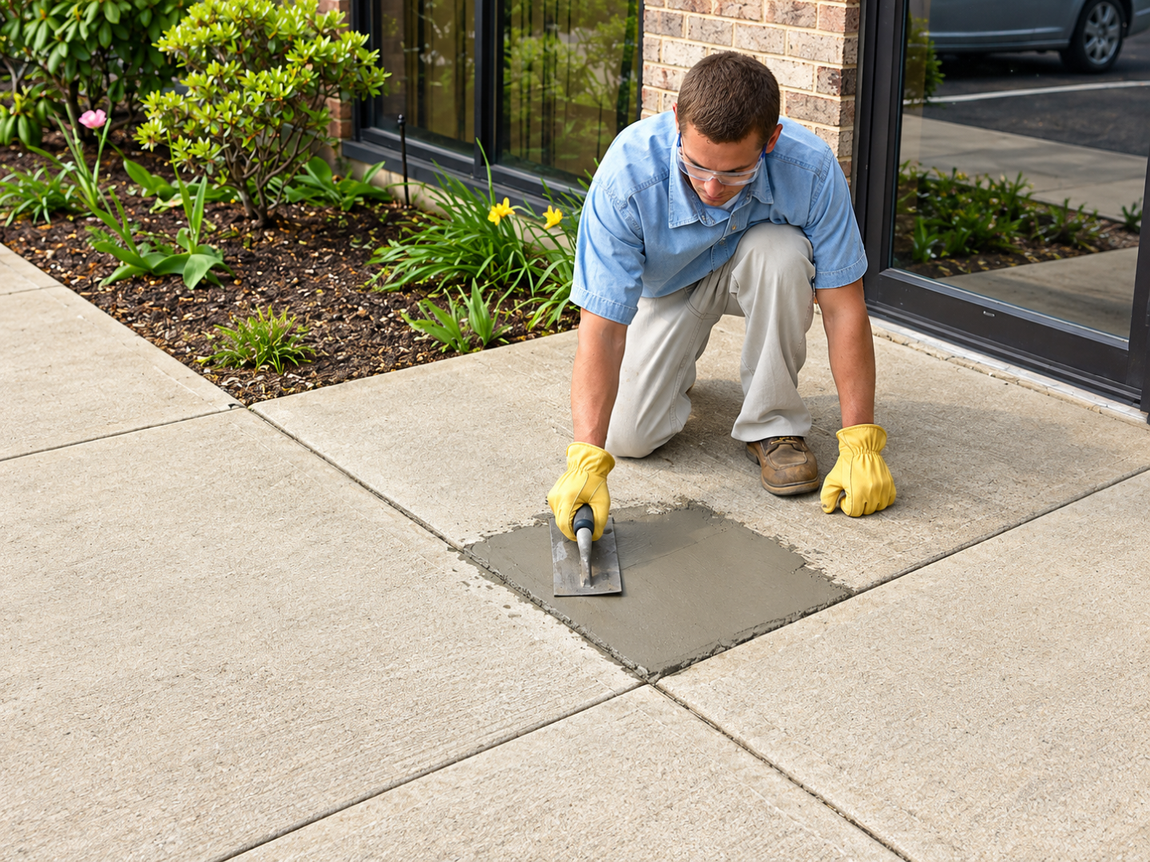
Our concrete repair services help homeowners and businesses address cracked, chipped, uneven, and deteriorating surfaces. We evaluate damaged driveways, patios, sidewalks, and other paved areas to determine appropriate restoration options. Minnesota's freeze-thaw cycles, shifting soil, and moisture exposure can contribute to surface deterioration, making proper assessment essential. Depending on existing conditions, we discuss crack repairs, patching, resurfacing, and other practical solutions. Our goal is to improve the appearance, usability, and safety of your outdoor surfaces while helping you understand when repairs are worthwhile or replacement may be the better long-term investment for your property.
Stamped Concrete
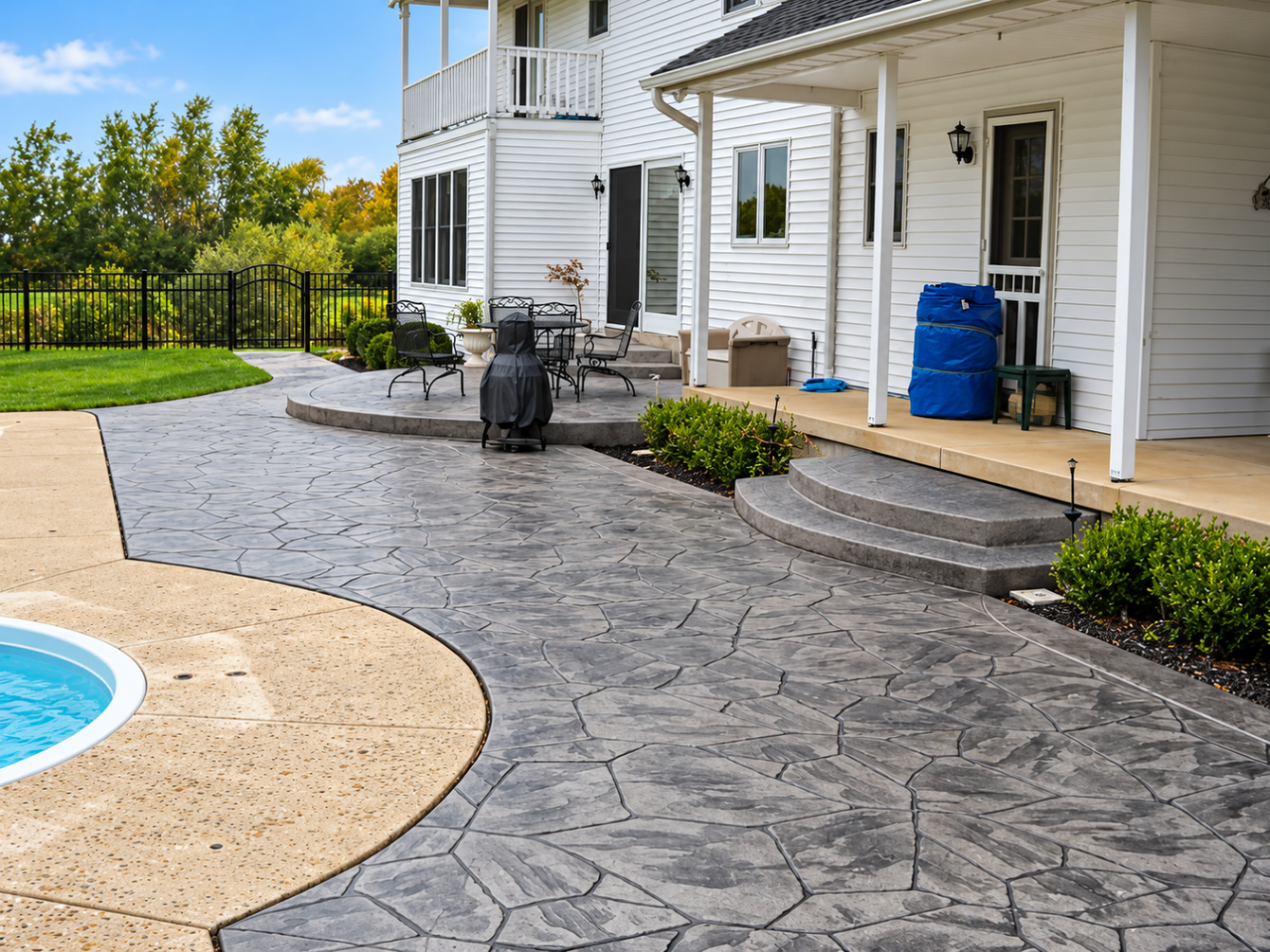
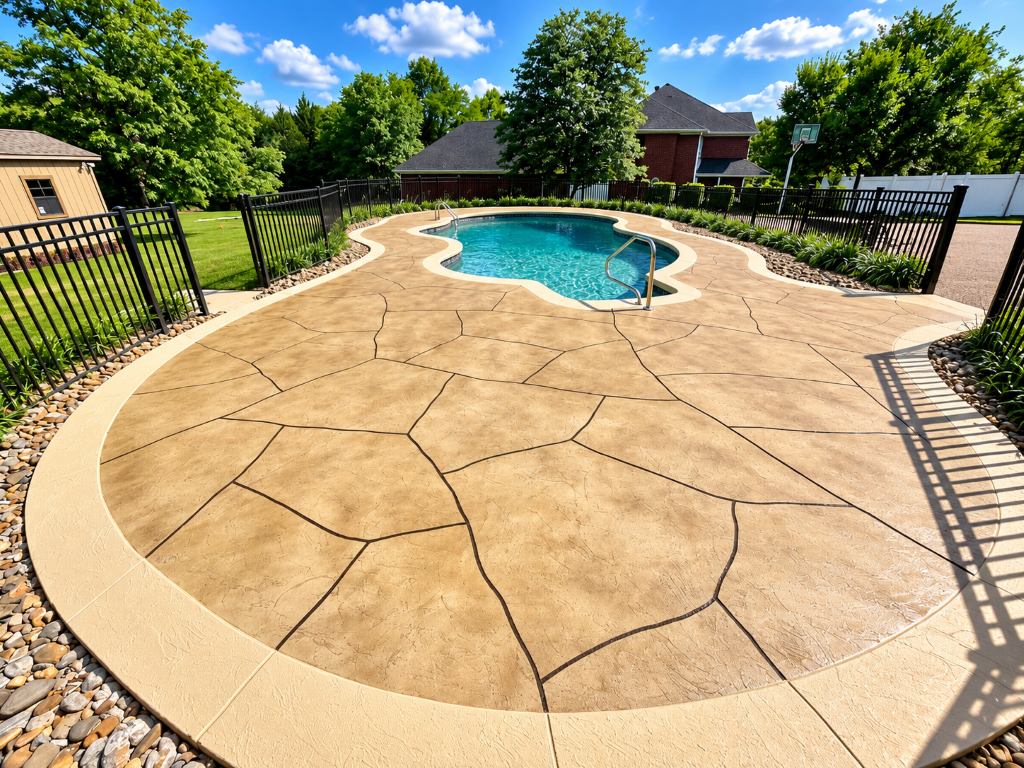
Our stamped concrete services help homeowners enhance patios, walkways, driveways, and outdoor gathering areas with decorative patterns and colors. We offer finishes inspired by natural stone, brick, slate, and other attractive textures, giving your property a distinctive appearance without using individual paving materials. Our approach considers surface preparation, drainage, and Minnesota's seasonal temperature changes when planning each installation. Whether you prefer a rustic backyard patio or an elegant front entrance, we help you explore designs that complement your home's architecture. We focus on combining visual appeal, practical functionality, and suitable finishing techniques for outdoor spaces.
Comparing Concrete Services for Eagan Homes and Businesses
Different outdoor improvements require different construction decisions. A residential driveway must accommodate vehicle loads and winter maintenance, while a backyard patio primarily serves pedestrian use, furniture placement, and outdoor activities.
The most appropriate design depends on how the finished area will function.
| Concrete Service | Typical Applications | Main Benefits | Important Considerations |
|---|---|---|---|
| Concrete Driveway Installation | Residential entrances, parking areas, garage approaches | Durable vehicle surface, consistent appearance, manageable maintenance | Requires suitable thickness, base preparation, drainage, and joint placement |
| Concrete Patio Installation | Backyard seating areas, dining spaces, outdoor gathering areas | Flexible layout options, permanent outdoor living surface, various finishes | Grading, drainage, steps, and adjacent structures affect design |
| Concrete Repair | Cracked slabs, localized surface damage, deteriorated joints | May restore function without replacing an entire area | Not every damaged slab is suitable for repair |
| Stamped Concrete | Decorative patios, walkways, entry areas, selected driveways | Patterns resembling stone, brick, or other textures | Higher installation cost, ongoing sealer maintenance, winter traction considerations |
| Concrete Walkways and Slabs | Garden paths, utility areas, access routes, equipment pads | Defined walking areas and stable surfaces for intended uses | Accessibility, frost movement, loading, and site conditions must be considered |
Concrete Services Pricing in Eagan, MN for 2026
Construction costs throughout the Twin Cities metropolitan area vary based on materials, labor availability, access, site conditions, and the complexity of the work. For property owners, the most useful budgeting approach is to compare complete project costs rather than focusing only on the price of ready-mix concrete. Excavation, removal of existing pavement, base preparation, reinforcement, finishing, and cleanup can represent substantial portions of the total expense. The following examples provide estimated 2026 installed-price ranges based on broader Twin Cities market information.
| Project Type | Estimated Installed Price | Example Project Size | Estimated Total |
|---|---|---|---|
| Standard Concrete Driveway Replacement | 9–16 per sq. ft. | 600 sq. ft. | 5,400–9,600 |
| Basic Concrete Patio Installation | 8–13 per sq. ft. | 240 sq. ft. | 1,920–3,120 |
| Stamped Concrete Patio | 12–18 per sq. ft. | 240 sq. ft. | 2,880–4,320 |
| Slab Leveling for Suitable Settled Concrete | 5–8 per sq. ft. | 100 sq. ft. | 500–800 |
These figures are representative 2026 planning estimates, not verified contractor quotes. Actual prices may differ significantly, particularly when excavation, demolition, engineering, minimum service charges, or extensive site corrections are required. Crack repair, patching, and resurfacing need separate estimates because their costs vary by condition and repair method. There are several reasons two projects of similar size may receive different bids. For example, replacing a driveway with direct street access is generally different from installing a patio behind a house where materials must be transported through a narrow side yard. The first may require removal of existing pavement and coordination near the street. The second may involve more manual labor, difficult equipment access, and additional landscape protection.
Other factors that can influence cost include:
- Demolition and disposal: Removing thick or heavily reinforced existing pavement requires additional labor, equipment, and hauling.
- Ground conditions: Soft or unsuitable soils may require additional excavation and replacement with properly compacted material.
- Drainage modifications: Correcting slopes or integrating drainage features may add work beyond the basic slab.
- Decorative finishing: Stamping, integral coloring, exposed aggregate, and specialty details increase installation complexity.
- Reinforcement and structural design: Heavier anticipated loads or unusual site conditions may require additional design measures.
- Project dimensions: Small jobs can have higher per-square-foot costs because equipment mobilization and minimum labor expenses still apply.
- Seasonal conditions: Cold-weather placement may require protective measures and additional curing controls.
Before accepting a proposal, ask which items are included in the stated price. A quote should make it clear whether excavation, base material, reinforcement, finishing, joints, curing, cleanup, and any required permit coordination are covered. For homeowners planning decorative work, ask whether coloring and sealing are included or priced separately. A well-defined estimate makes it easier to compare contractors without overlooking work that may become an unexpected expense later.
What to Verify Before Hiring a Concrete Contractor
Choosing a contractor involves more than comparing finished-project photographs. The ability to explain technical decisions, communicate clearly, and follow local construction requirements matters just as much as the appearance of previous work. Minnesota's contractor licensing rules depend on the type and scope of services provided.
Before signing an agreement, review the following:
- Applicable contractor credentials: Request the business name and license or registration information. Verify the appropriate status with the Minnesota Department of Labor and Industry.
- Insurance documentation: Ask for evidence of general liability insurance and workers' compensation coverage where applicable. Confirm that the policies suit the proposed scope.
- Eagan permit requirements: The city requires zoning permits for driveway replacements, expansions, patios, and certain sidewalks. Work involving curb and gutter modifications may also require right-of-way authorization.
- Written material specifications: Ask about the proposed mixture, strength, air entrainment for exposed slabs, thickness, reinforcement, and intended finish.
- Site preparation details: The agreement should explain excavation, removal of unsuitable material, base installation, and compaction.
- Joint and curing plan: Contractors should be prepared to discuss joint placement and how the newly installed surface will be protected while gaining strength.
- Relevant completed projects: Request examples of similar driveways, patios, or decorative installations that have experienced multiple Minnesota winters.
- Workmanship warranty: Review what the installer covers, how problems are reported, and which conditions are excluded from coverage.
For homeowners near lakes or other environmentally sensitive areas, hard-surface coverage can be particularly important. Certain properties within Eagan's Shoreland Overlay District are subject to additional impervious-surface restrictions. A proposed driveway expansion should be reviewed against the property's applicable zoning requirements before the layout is finalized. It is also worth discussing site access. Contractors should plan deliveries and equipment placement accordingly. A thoughtful contractor selection process gives homeowners the opportunity to address these issues before construction begins, when changes are generally easier to make.
Project Timeline Expectations for Concrete Installation
Concrete construction involves two different schedules: the time needed to perform the work and the time required for the newly placed material to develop sufficient strength for its intended use. A residential driveway may be placed and finished relatively quickly, but that does not mean vehicles should return immediately. Weather, project size, demolition requirements, and curing conditions influence the schedule.
For a typical driveway replacement, the following sequence provides a general example:
- Before Construction: Site Review and Permits. The contractor evaluates the property, confirms project measurements, reviews access and drainage, and identifies necessary approvals. Scheduling should allow sufficient time for required city review.
- Day 1: Removal and Excavation. Existing pavement is broken up and removed. The exposed ground is inspected, and excavation continues as necessary to accommodate the designed slab and supporting materials.
- Day 2: Base Preparation and Formwork. The supporting material is placed and compacted. Forms, reinforcement, transitions, and elevations are prepared for placement. Larger projects may require additional time.
- Day 3: Concrete Placement and Finishing. The slab is placed and finished using the specified methods. Weather protection and curing procedures begin at the appropriate stage.
- Following Days: Joint Cutting and Curing. Control joints are completed at the proper time, and the surface remains protected while the material gains strength.
- Final Stage: Return to Normal Use. The contractor confirms when pedestrian traffic, vehicle parking, and other intended uses may resume based on the project specifications and curing conditions.
Warm or windy conditions introduce different concerns by increasing surface evaporation and the risk of early shrinkage cracking. It is also important to understand the difference between initial hardening and full design-strength development. Many ordinary mixes are specified by strength at approximately 28 days, although an installation may be suitable for certain uses earlier when sufficient strength has been achieved. The contractor should provide instructions tailored to the installed material rather than relying on a universal vehicle-access date. For property owners, planning around these restrictions can help avoid premature loading and unnecessary damage.
Concrete Services FAQs
Q: How long does a concrete driveway typically last in Eagan, MN?
A properly installed residential concrete driveway may remain functional for approximately 25 to 30 years or longer, although its actual service life depends on installation quality, soil stability, drainage, traffic, and ongoing maintenance. Minnesota's repeated freezing and thawing conditions make these factors particularly important. A driveway installed on a stable, compacted base with appropriate materials and well-planned joints has a better opportunity to resist deterioration than one built over poorly prepared soil. However, even a well-constructed surface can develop minor cracking or experience wear over time.
Regular snow removal, prompt cleanup of winter residue, and appropriate attention to joints and drainage may help preserve the surface. Avoiding excessive deicing chemicals is particularly important during the first winter after installation. Homeowners should also watch for water collecting near the garage or along slab edges. Persistent drainage issues can contribute to underlying soil movement and should be investigated before they cause more extensive problems.
Q: Do I need a permit to replace my concrete driveway in Eagan?
Yes. The City of Eagan requires a zoning permit for driveway replacement or expansion projects. The permit review helps ensure that improvements comply with applicable requirements involving layout, hard-surface coverage, and other property conditions. Additional authorization may be necessary when work affects public infrastructure. For example, removing or replacing existing curb and gutter can require a right-of-way permit in addition to the zoning permit.
The city also limits driveway width within the public right-of-way and has requirements intended to protect existing drainage patterns. Certain properties may be subject to additional restrictions because of easements or Shoreland Overlay District regulations. Before beginning construction, confirm the proposed dimensions and work boundaries with the city.
Q: Is stamped concrete suitable for patios in winter climate?
Stamped concrete can be used for outdoor patios when the materials, installation process, surface texture, and maintenance plan are appropriate for freezing conditions. Decorative stamping itself does not automatically make a slab unsuitable for Minnesota weather. However, stamped surfaces introduce additional considerations. Deep patterns may collect dirt or water, while certain sealers can make the surface more slippery when wet or icy. Choosing an appropriate texture and compatible sealer is important for areas used during changing weather conditions.
Homeowners should also ask about proper air entrainment, curing, joint placement, and the expected maintenance schedule. Decorative finishes may require periodic resealing according to the product manufacturer's instructions. The frequency depends on exposure, traffic, and the coating used. For a backyard patio intended mainly for warm-weather entertaining, stamped concrete may offer an attractive balance between appearance and functionality when properly specified.
Q: Should I repair or replace cracked concrete around my home?
The decision depends on the type of cracking, the condition of the slab, and whether the damage is continuing to develop. Small, stable cracks may be suitable for professional treatment when the surrounding material remains sound. Localized deterioration may also be repairable depending on its depth and cause. More extensive problems require a different approach. A slab that has settled significantly, developed widespread surface scaling, or broken into unstable sections may not be a good candidate for simple patching.
For example, a sidewalk near a garage might have one raised section because of underlying soil movement. Correcting the elevation may be more useful than filling the visible crack alone. A contractor should evaluate whether repair methods can address the actual problem or whether replacement offers a more reliable solution. The goal is to avoid spending money on cosmetic work that leaves the underlying condition unresolved.
Q: How should I maintain a new concrete patio or driveway during winters?
The most important winter maintenance practices involve removing snow promptly, minimizing unnecessary deicing chemicals, and preventing prolonged water accumulation where practical. The City of Eagan encourages residents to shovel snow before it becomes compacted and to use salt sparingly. Excessive deicer use can affect local water resources, and some products may also contribute to surface deterioration.
Newly installed concrete deserves particular care during its first winter. Ask the contractor about appropriate winter maintenance and when any deicing products may be used. Sand may provide traction without relying on chemical melting agents, although it should be removed when conditions permit. Avoid striking slab edges with metal tools or aggressively scraping deteriorated joints. During spring, inspect the surface for new cracks, scaling, drainage issues, or movement. Addressing small problems early can help prevent them from becoming more expensive repairs.